

Introduction
Garbage compactor trucks with lifts have revolutionized waste management systems worldwide. These specialized vehicles play a crucial role in collecting, compacting, and transporting solid waste efficiently and hygienically. In this comprehensive article, we will delve into the history, functions, components, benefits, and technological advancements of garbage compactor trucks with lifts. By the end, readers will have a thorough understanding of the importance and impact of these vehicles in keeping our cities clean and sustainable.
History of Garbage Compactor Trucks
The concept of garbage collection dates back centuries, with early civilizations devising rudimentary methods to gather and dispose of waste. However, it wasn't until the industrial revolution that the need for more efficient waste management practices became apparent. The first mechanized garbage collection systems emerged in the late 19th and early 20th centuries, utilizing horse-drawn carts and later motorized vehicles.
The invention of the garbage compactor truck in the early 20th century marked a significant advancement in waste management technology. These early models featured rudimentary compactors that helped reduce the volume of collected waste, enabling more efficient transportation and disposal. Over the years, technological innovations and engineering advancements have transformed garbage compactor trucks into sophisticated machines capable of handling large volumes of waste with minimal human intervention.
Functions of Garbage Compactor Trucks with Lifts
Garbage compactor trucks with lifts are designed to streamline the process of waste collection and disposal. These vehicles are equipped with specialized mechanisms that enable them to pick up, compact, and transport solid waste from residential, commercial, and industrial areas. The primary functions of garbage compactor trucks with lifts include:
1. Collection: Garbage compactor trucks with lifts are used to collect solid waste from designated pickup points such as residential neighborhoods, commercial establishments, and public spaces. The lift mechanism allows the vehicle to hoist garbage bins or containers and empty their contents into the compactor.
2. Compaction: Once the waste is loaded into the compactor, the hydraulic compaction system compresses it, reducing its volume significantly. This compaction process not only maximizes the truck's carrying capacity but also minimizes the frequency of trips required for waste disposal.
3. Transportation: After the waste is compacted, the garbage compactor truck transports it to designated disposal sites such as landfills, recycling centers, or waste-to-energy facilities. The efficient design of these vehicles ensures that the waste is securely contained during transit, minimizing the risk of spillage or environmental contamination.
Components of Garbage Compactor Trucks with Lifts
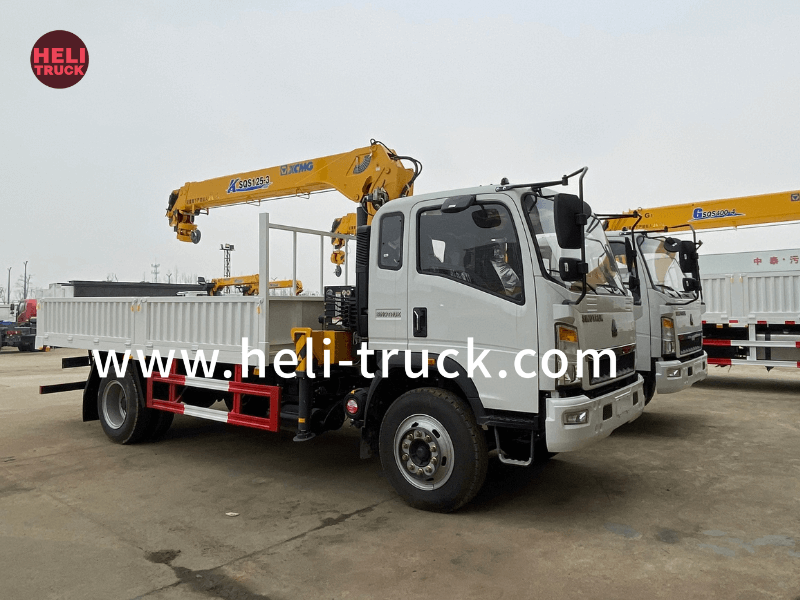
Garbage compactor trucks with lifts are complex machines comprising various components that work together to facilitate the collection and disposal of solid waste. Some of the key components of these vehicles include:
1. Compactor Body: The compactor body is the main structure of the garbage truck, housing the compaction mechanism, storage compartment, and loading area. The body is typically made of durable materials such as steel or aluminum to withstand the rigors of daily waste collection operations.
2. Hydraulic System: The hydraulic system powers the compaction mechanism, lift mechanism, and other moving parts of the garbage truck. Hydraulic cylinders, pumps, and valves work together to generate the force needed to compact waste, raise and lower the lift, and operate other functions of the vehicle.
3. Compaction Mechanism: The compaction mechanism consists of a large metal blade or ram that compresses the waste inside the storage compartment. As the blade moves back and forth, it exerts pressure on the waste, reducing its volume and creating more space for additional waste to be loaded.
4. Lift Mechanism: The lift mechanism is a crucial component of garbage compactor trucks with lifts, allowing operators to pick up and empty garbage bins or containers into the compactor. The lift mechanism may be hydraulic or electrically powered, depending on the design and model of the vehicle.
5. Control Panel: The control panel is the interface through which operators can monitor and control the various functions of the garbage compactor truck. https://www.heli-truck.com/shacman-h3000-20000-liters-water-tank-truck/ features buttons, levers, and displays that provide real-time information about compaction levels, hydraulic pressure, and other operational parameters.
Benefits of Garbage Compactor Trucks with Lifts
Garbage compactor trucks with lifts offer a wide range of benefits to municipalities, waste management companies, and the general public. Some of the key advantages of these specialized vehicles include:
1. Increased Efficiency: Garbage compactor trucks with lifts are designed to streamline the waste collection process, reducing the time and labor required for garbage pickup. The compaction mechanism allows the vehicles to carry more waste per trip, minimizing the number of trips needed to empty collection points.
2. Improved Hygiene: By compacting and containing waste within sealed compartments, garbage compactor trucks with lifts help reduce odors, spillage, and pest infestations associated with traditional waste collection methods. This contributes to a cleaner and more hygienic environment for both residents and waste management workers.
3. Environmental Sustainability: The compaction of waste in garbage compactor trucks with lifts helps reduce the volume of solid waste sent to landfills, thereby conserving valuable landfill space and minimizing environmental impact. Additionally, some models of garbage compactor trucks are equipped for recycling, further promoting sustainable waste management practices.
4. Cost Savings: The efficiency and productivity gains achieved with garbage compactor trucks with lifts can lead to significant cost savings for municipalities and waste management companies. By optimizing waste collection routes, reducing labor costs, and maximizing vehicle capacity, these vehicles offer a cost-effective solution for managing solid waste.
Technological Advancements in Garbage Compactor Trucks with Lifts
In recent years, technological advancements have transformed garbage compactor trucks with lifts into sophisticated and intelligent machines. These innovations have enhanced the performance, safety, and sustainability of these vehicles, making them indispensable tools for modern waste management operations. Some of the notable technological advancements in garbage compactor trucks with lifts include:
1. Automated Collection Systems: Automated garbage collection systems utilize sensors, cameras, and robotic arms to identify, lift, and empty garbage bins with precision and efficiency. These systems reduce the need for manual labor and improve the speed and accuracy of waste collection processes.
2. Telematics and GPS Integration: Many modern garbage compactor trucks are equipped with telematics and GPS technology that enables real-time tracking of vehicle location, route optimization, and performance monitoring. This data-driven approach helps operators make informed decisions to enhance operational efficiency and productivity.
3. Energy-Efficient Designs: Manufacturers are increasingly incorporating energy-efficient components and systems into garbage compactor trucks with lifts to reduce fuel consumption and emissions. Features such as regenerative braking, idle reduction technology, and hybrid powertrains contribute to a greener and more sustainable waste management fleet.
4. Smart Waste Management Solutions: Smart waste management solutions leverage IoT (Internet of Things) technology to collect and analyze data on waste generation, collection patterns, and disposal trends. By harnessing this data, municipalities and waste management companies can optimize their operations, reduce costs, and minimize environmental impact.
Conclusion
Garbage compactor trucks with lifts play a vital role in modern waste management systems, offering efficiency, hygiene, and sustainability benefits to communities worldwide. From their humble beginnings in the early 20th century to the advanced and intelligent machines of today, these vehicles continue to evolve and adapt to meet the growing demands of urban environments. By embracing technological innovations and best practices in waste management, garbage compactor trucks with lifts are poised to remain essential tools in keeping our cities clean and livable for generations to come.